Regional Culture Through Local Traditions
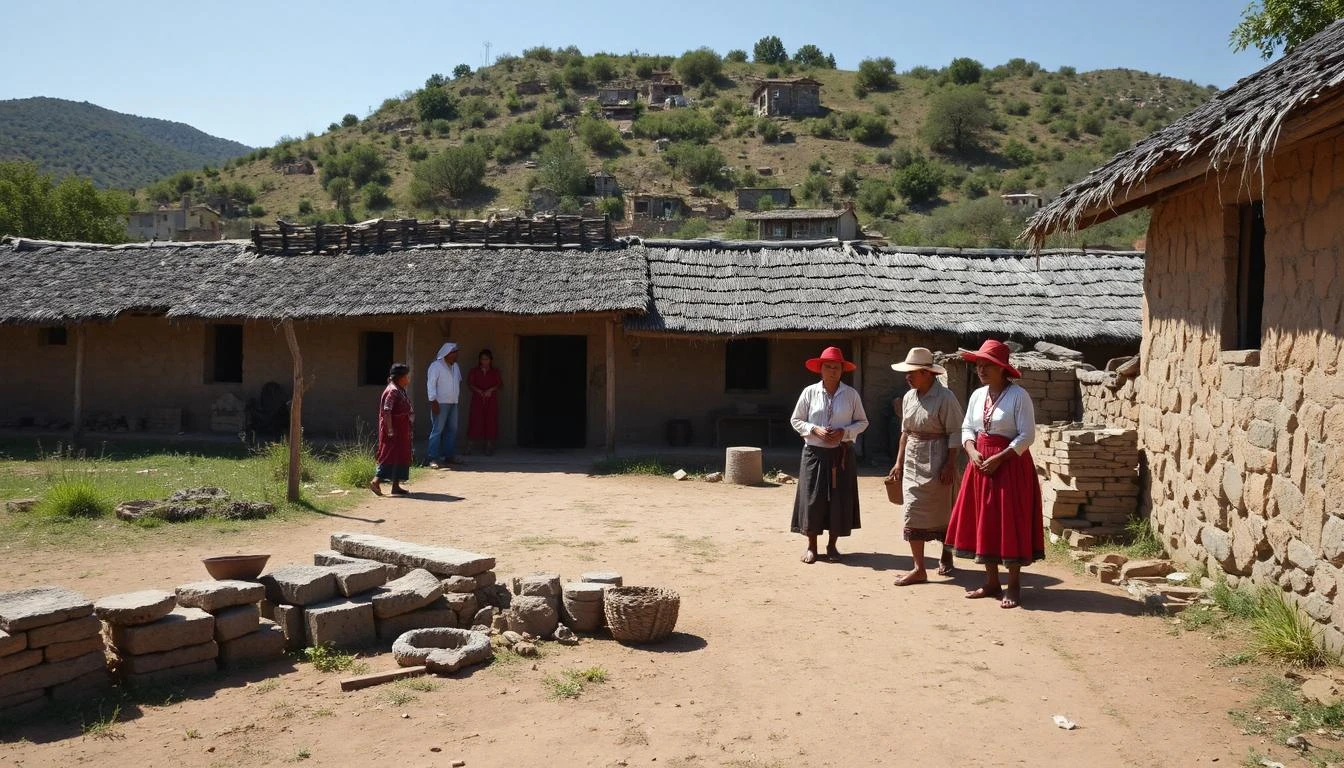
Regional traditions often hide extraordinary stories that many people never have the opportunity to discover. Behind every festival, ceremony, craft, and local custom lies a deeper narrative about how communities have adapted, survived, and passed down wisdom through generations. These cultural expressions are more than historical remnants; they are living reflections of values, beliefs, and identities that continue to influence everyday life in surprising ways.
Today, understanding regional culture local traditions has become increasingly important in a world where globalization connects people faster than ever before. While modern technology transforms how societies interact and conduct business, local traditions remain powerful anchors that preserve authenticity, strengthen community bonds, and offer unique experiences that cannot be replicated elsewhere.
Exploring The Richness Of Regional Culture
Every region has its own unique story waiting to be explored. From centuries-old rituals to distinctive local celebrations, cultural traditions provide a fascinating window into how communities define themselves. As you look closer, you begin to realize that culture is not simply something inherited from the past, it is actively practiced and continuously evolving.
The enduring value of cultural heritage regional traditions can be seen in the way communities preserve their identity while adapting to modern challenges. These traditions create meaningful connections between people, places, and history, making them essential components of cultural sustainability and social cohesion.
Why Cultural Traditions Remain Relevant Today
In an increasingly digital world, cultural traditions continue to provide a sense of belonging and continuity. They help individuals understand where they come from while offering guidance for navigating modern life. Whether through traditional ceremonies, local crafts, or seasonal festivals, these practices reinforce shared values that strengthen communities.
Many cultural traditions have successfully adapted to contemporary lifestyles. Traditional artisans now reach global audiences through online marketplaces, while cultural festivals attract international visitors through digital promotion. This ability to evolve demonstrates why traditions remain highly relevant despite rapid societal change.
The Connection Between Heritage And Identity
Heritage serves as a bridge between the past and the present. Through language, music, architecture, storytelling, and ceremonial practices, communities preserve memories that shape collective identity.
Cultural identity becomes particularly important during periods of social transformation. Traditions provide stability and help people maintain a strong connection to their roots. As cultural historian David Lowenthal famously noted, "The past is integral to our sense of identity," highlighting how heritage influences both personal and collective understanding of who we are.
Discovering Customs Unique To Different Regions
Across the world, every region offers customs that reveal fascinating aspects of local life. Some communities celebrate agricultural cycles through elaborate festivals, while others preserve oral histories through storytelling traditions that have survived for centuries.
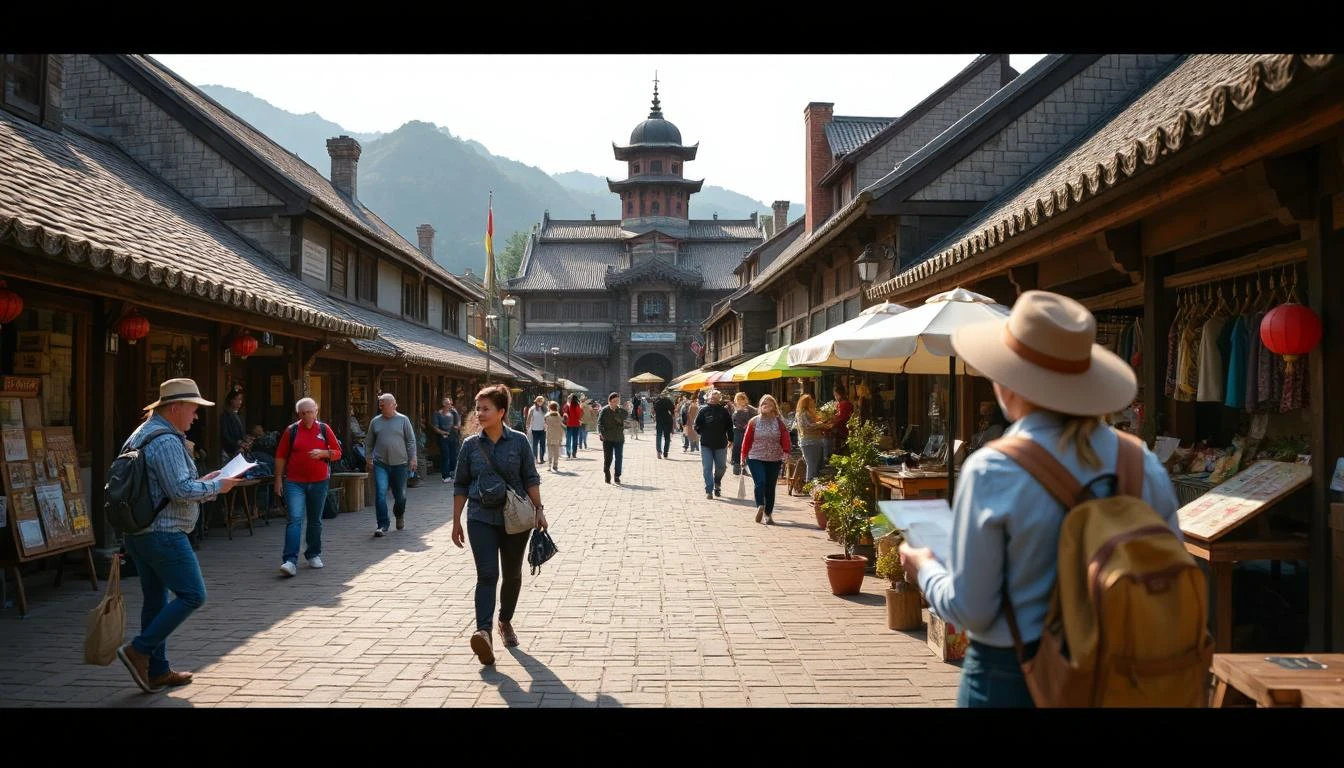
Exploring these unique customs often reveals hidden cultural treasures that remain largely unknown outside their local communities. Travelers seeking authentic experiences increasingly value opportunities to engage directly with these traditions, creating a growing appreciation for cultural diversity and regional distinctiveness.
Understanding Cultural Traditions And Values
To truly appreciate cultural traditions, it is important to understand the values that sustain them. Traditions are not merely activities repeated over time; they are expressions of beliefs, social norms, and collective aspirations that influence how communities function and interact.
The deeper you explore cultural practices, the more apparent it becomes that traditions often serve as informal frameworks that guide social behavior, encourage cooperation, and strengthen community resilience.
How Traditions Shape Local Communities
Traditions help establish a shared sense of purpose within communities. They create opportunities for social interaction, encourage mutual support, and reinforce important cultural values.
In many regions, traditional gatherings bring together people of different ages and backgrounds, fostering stronger relationships and preserving social harmony. These customs contribute significantly to community well-being by creating environments where knowledge, experience, and cultural understanding can be shared openly.
The Role Of Celebrations In Preserving Heritage
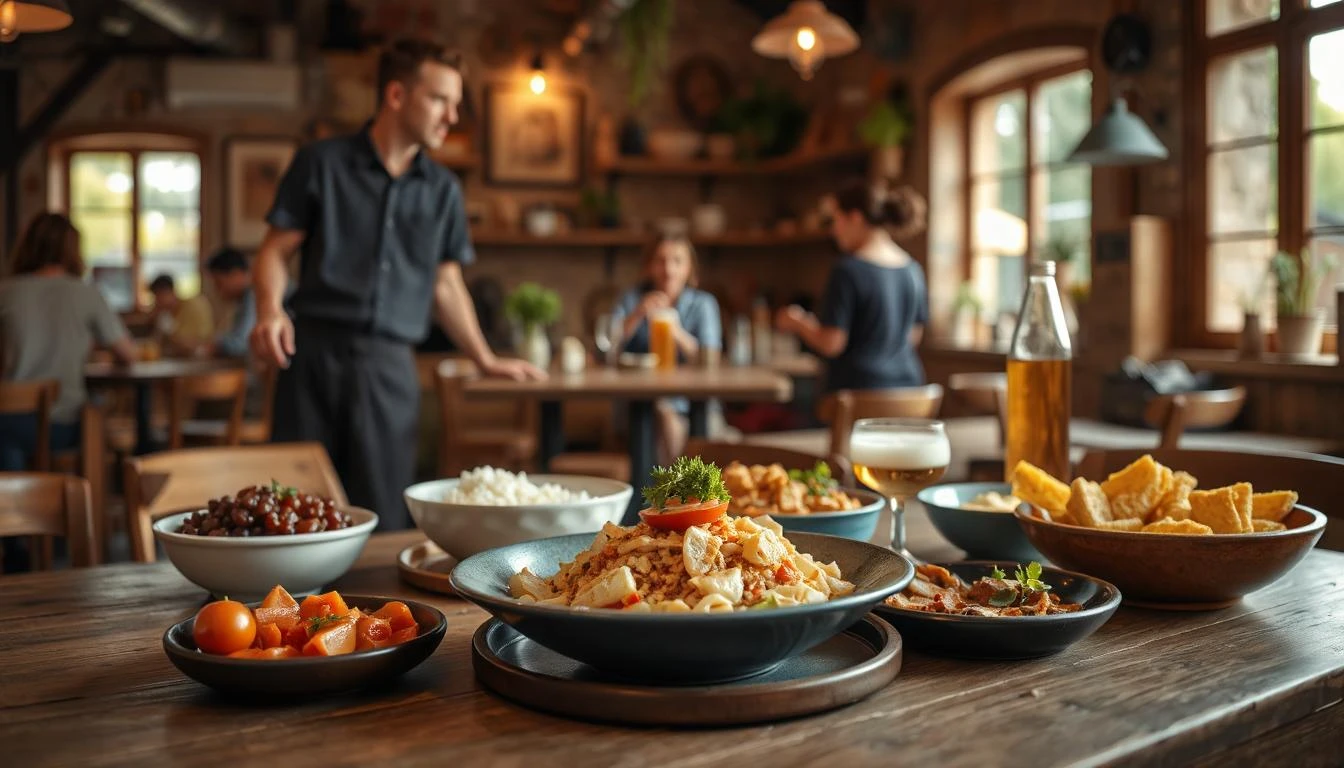
Celebrations play a critical role in transmitting cultural knowledge from one generation to the next. Festivals, ceremonies, and community events provide opportunities to showcase traditional music, dance, cuisine, clothing, and artistic expression.
These events also contribute to local economies by attracting visitors interested in cultural tourism. Beyond their economic value, celebrations serve as living classrooms where younger generations learn about their heritage through direct participation rather than observation alone.
Exploring Cultural Practices Across Generations
One of the most remarkable aspects of cultural traditions is their ability to connect generations. Elders pass down stories, skills, and customs that help younger people understand their heritage and place within the community.
This intergenerational exchange allows traditions to remain dynamic rather than static. While practices may evolve to reflect contemporary realities, their fundamental values often remain intact, ensuring continuity without sacrificing relevance.
Appreciating Diversity Through Culture
Cultural diversity enriches societies by exposing people to different perspectives, lifestyles, and ways of thinking. Understanding cultural differences encourages empathy, curiosity, and mutual respect while reducing misconceptions that can create social barriers.
As global connections continue to expand, cultural awareness becomes increasingly valuable for fostering meaningful relationships across communities and nations.
Learning From Different Ways Of Life
Every culture offers valuable insights into how people solve problems, organize societies, and interact with their environment. Traditional knowledge systems often contain practical lessons about sustainability, resource management, and community cooperation that remain relevant today.
By learning from different ways of life, individuals gain a broader perspective that encourages critical thinking and greater appreciation for human diversity.
Supporting Cultural Preservation Efforts
Preserving cultural heritage requires collective commitment. Communities, educational institutions, governments, and cultural organizations all play important roles in safeguarding traditions for future generations.
Efforts such as cultural documentation, heritage education programs, digital archiving, and responsible tourism initiatives help ensure that valuable traditions continue to thrive rather than disappear. Supporting these efforts contributes directly to the protection of cultural diversity worldwide.
Building Respect Through Cultural Understanding
Cultural understanding begins with curiosity and grows through meaningful engagement. When people take the time to learn about traditions different from their own, they often discover shared values that transcend cultural boundaries.
Anthropologist Margaret Mead once observed that understanding another culture broadens our perspective of humanity itself. Her insight remains particularly relevant today as societies seek greater cooperation and mutual respect in an increasingly interconnected world.
Experience The Beauty Of Regional Culture
The beauty of regional culture extends far beyond visual attractions or festive celebrations. It lies in the stories, values, and human connections that traditions preserve across generations. Every local custom, ceremonial practice, and cultural expression offers a unique glimpse into the experiences that have shaped communities over time.
As modern life continues to accelerate, regional traditions provide something increasingly rare: authenticity. They remind us that progress and heritage do not have to compete with one another. Instead, they can work together to create stronger communities, richer cultural experiences, and deeper connections between people and places.
By exploring and appreciating regional cultures, you gain more than knowledge, you gain a greater understanding of the diverse ways humanity expresses creativity, resilience, and identity. The next time you encounter a local tradition, take a moment to look beyond the surface. You may discover a remarkable story that changes the way you see the world.