Community Life And Local Connections
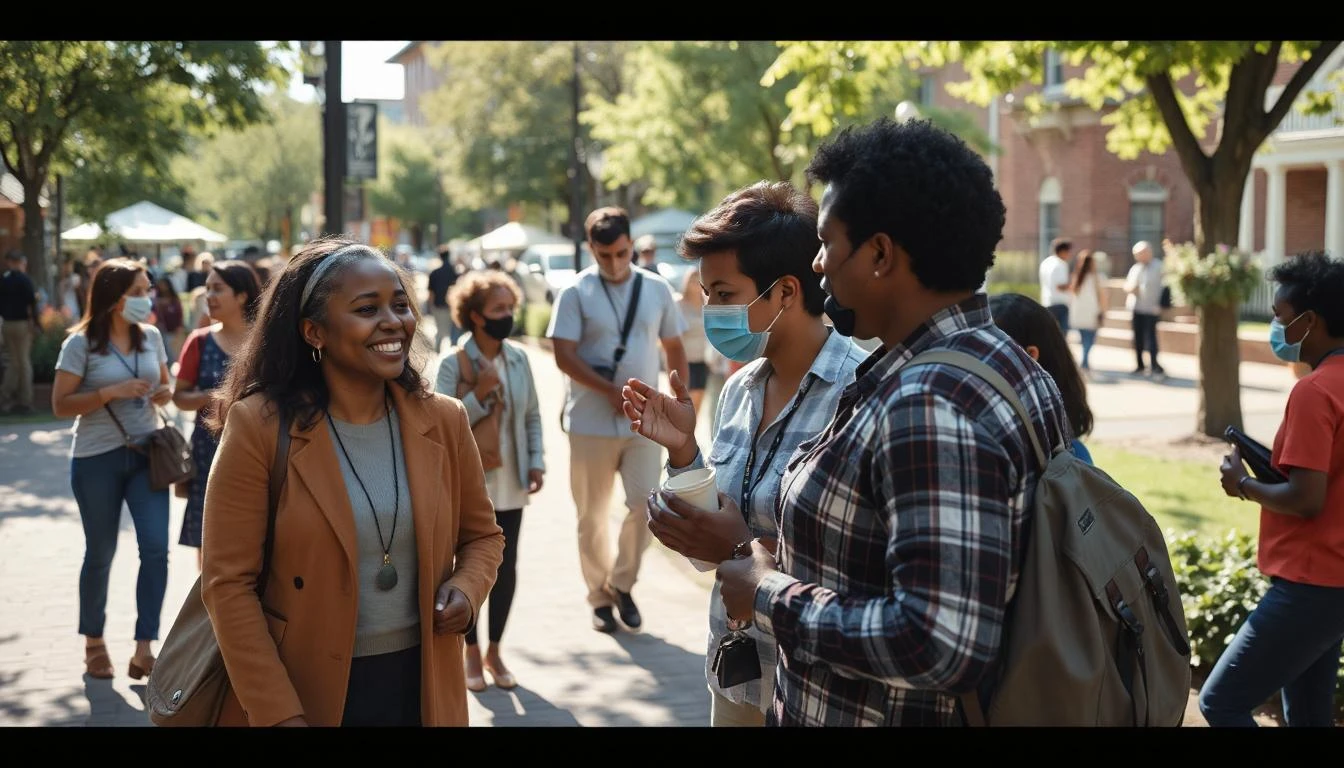
The modern world feels faster than ever, yet something deeply human continues to call attention back, belonging. People are no longer just searching for convenience; they are searching for meaning, interaction, and shared identity in their surroundings. This is where community becomes more than geography, it becomes a living experience that shapes everyday life.
In this evolving landscape, life local connections are quietly becoming one of the strongest foundations for emotional balance, opportunity creation, and social stability. While global platforms connect people across continents, it is often the local environment that determines how supported, valued, and engaged a person truly feels.
Exploring The Importance Of Community Life
Communities are not static spaces; they are dynamic ecosystems of trust, shared habits, and collective memory. When individuals begin to actively participate in their surroundings, something subtle but powerful happens, life becomes more interconnected, more responsive, and more meaningful.
social engagement in community life plays a crucial role in shaping how individuals interact, cooperate, and grow within their environment. It is not just about attendance at events or casual greetings, it is about building a rhythm of interaction that strengthens emotional and practical support systems.
As urban sociologist Manuel Castells once noted, “Cities and communities are networks of communication and meaning, not just physical spaces.” This perspective highlights how deeply interaction defines place, not just infrastructure.
Why strong communities improve daily living
Strong communities create an invisible safety net that people often only notice when it is missing. Neighbors share information, support each other during crises, and create informal systems of care that formal institutions cannot fully replicate.
These environments reduce stress and increase resilience. Daily life becomes more predictable in the best way, someone will help when needed, someone will notice when something is wrong, and someone will celebrate when things go right.
Psychologist Dr. Susan Pinker emphasizes that “face-to-face contact is the most powerful predictor of long-term wellbeing.” Her observation reinforces why local relationships still matter in a digital-first world.
The connection between relationships and wellbeing
Human wellbeing is deeply tied to connection. Emotional health improves when individuals feel seen, heard, and valued by those around them. Communities provide these micro-interactions that accumulate into long-term psychological stability.
There is also a biological dimension. Regular social interaction reduces stress hormones and increases feelings of belonging. Over time, this strengthens both mental and physical health.
In practical terms, people with stronger community ties often experience more consistent support systems, whether through shared childcare, job opportunities, or emotional encouragement during difficult times.
Discovering opportunities for local involvement
Many people underestimate how many opportunities exist right in their own neighborhoods. From cultural events to volunteer initiatives, communities are full of entry points for engagement that can transform everyday life.
These include local markets, educational workshops, environmental programs, and small business collaborations. Each interaction builds familiarity, and familiarity builds trust, the foundation of long-term community strength.
Understanding Community Values And Activities
Every community operates on a set of shared values, whether explicitly stated or naturally developed over time. These values guide behavior, shape expectations, and influence how people interact in public and private spaces.
When individuals begin recognizing these shared principles, participation becomes more meaningful. It is no longer about obligation, it becomes about contribution and identity.
How local events bring people together
Local events act as social bridges. They bring together individuals who might otherwise never interact, creating opportunities for dialogue, collaboration, and cultural exchange.
life local connections become especially visible during these gatherings, where everyday interactions transform into meaningful relationships that extend beyond the event itself.
Festivals, fairs, and community programs also support small businesses and local creators, strengthening both economic and social ecosystems at the same time.
The role of shared experiences in community growth
Shared experiences create emotional memory anchors. When people participate in something together, whether it is a cleanup drive or a cultural celebration, they build a sense of unity that lasts far beyond the event.
Sociologist Robert D. Putnam once stated, “Social capital is built through repeated interactions that foster trust and cooperation.” This idea explains why consistent community participation leads to stronger long-term relationships.
Over time, these shared experiences become the foundation of collective identity, shaping how communities respond to challenges and opportunities.
Exploring activities that strengthen social bonds
Activities such as volunteering, sports clubs, neighborhood meetings, and educational workshops all contribute to stronger social bonds. These environments encourage collaboration and mutual understanding.
They also improve practical skills such as communication, leadership, and problem-solving. In many cases, participants discover hidden talents or opportunities they would never encounter alone.
Building Meaningful Local Connections
Meaningful relationships are not accidental, they are cultivated through repeated interaction, shared effort, and genuine interest in others. Communities provide the structure where these elements naturally develop.
When people invest time locally, they begin to see familiar faces turn into trusted connections, and trusted connections evolve into support networks that enrich daily life.
Supporting initiatives that benefit communities
Community initiatives often address real-world challenges such as education gaps, environmental concerns, or economic inequality. Supporting these efforts creates a ripple effect that benefits everyone involved.
Participation strengthens not only the community but also the individual. Skills are developed, networks are expanded, and purpose becomes clearer through contribution.
Encouraging participation in local programs
Local programs are gateways to deeper involvement. Whether it is a workshop, a training session, or a cultural activity, each program offers a chance to engage more meaningfully.
These opportunities often lead to unexpected benefits such as mentorship, friendship, or even professional collaboration.
Creating a sense of belonging through engagement
Belonging is built through repetition. The more someone participates, the more familiar and connected they become to their environment.
Over time, engagement transforms identity. People no longer feel like outsiders, they feel like contributors, stakeholders, and active members of their surroundings.
Strengthen Relationships Through Community Life
Community life reaches its highest value when participation becomes consistent rather than occasional. It is in these repeated interactions that trust deepens and relationships become meaningful.
As urban thinker Jane Jacobs once observed, “Cities have the capability of providing something for everybody, only because, and only when, they are created by everybody.” This reflects the idea that collective contribution shapes stronger environments for all.
In the end, strengthening life local connections is not just about improving social life, it is about building a more resilient, supportive, and meaningful way of living. When people invest in their surroundings, they also invest in themselves.
The invitation is simple: step closer to your community, stay curious about the people around you, and allow small interactions to grow into lasting connections.